

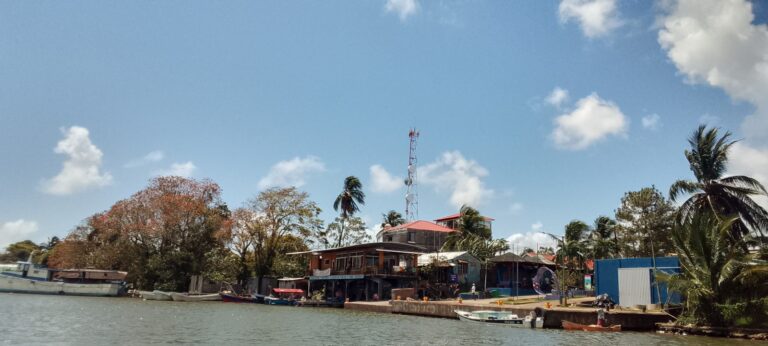
The migration of families from Pearl Lagoon to Puerto Cabezas helped create historic ties that continue to connect communities across Nicaragua’s Caribbean Coast.
Some stories never appear on maps, but survive in family names, memories and everyday conversations across Nicaragua’s Caribbean Coast.
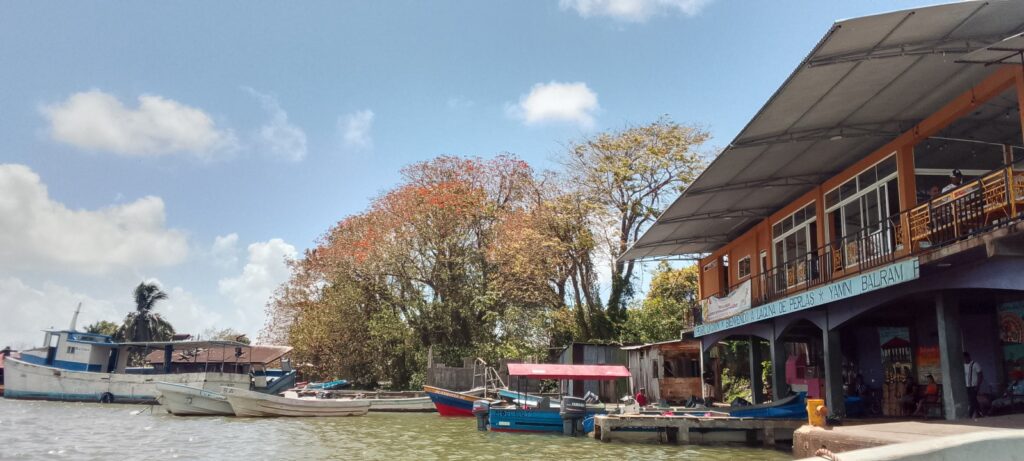
Recently, while talking at a bakery near the pier in Pearl Lagoon, someone shared a detail that offers a glimpse into the region’s migration history.
“Most of the Creoles from Puerto Cabezas have their umbilical cord rooted in Pearl Lagoon,” the person said.
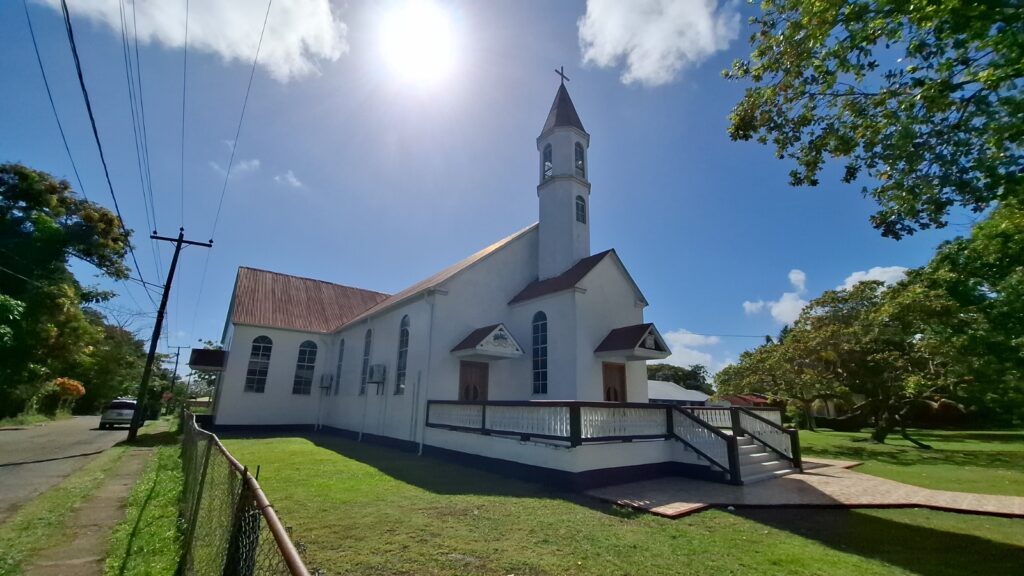
From Pearl Lagoon to the North
The story points to the movement of families from the Southern Caribbean toward Puerto Cabezas—now Bilwi—during the period when the city became an important economic enclave driven by foreign companies involved in the exploitation of natural resources.
The search for jobs and opportunities brought families from different Caribbean communities toward the emerging economic centers of the North.
Among the family names mentioned were Dixon, Brautigham, Hebbert, Downs, Cuthbert, Henríquez, Lewis, Cunningham, Williams and Green, whose roots are remembered in Pearl Lagoon.
A history carried by family names
Migration did not necessarily mean breaking ties with communities of origin. Many families maintained family, cultural and economic connections across generations.
That is why behind a family name found today in Bilwi, Bluefields, Pearl Lagoon or Corn Island, there may be a migration story that began several generations ago.
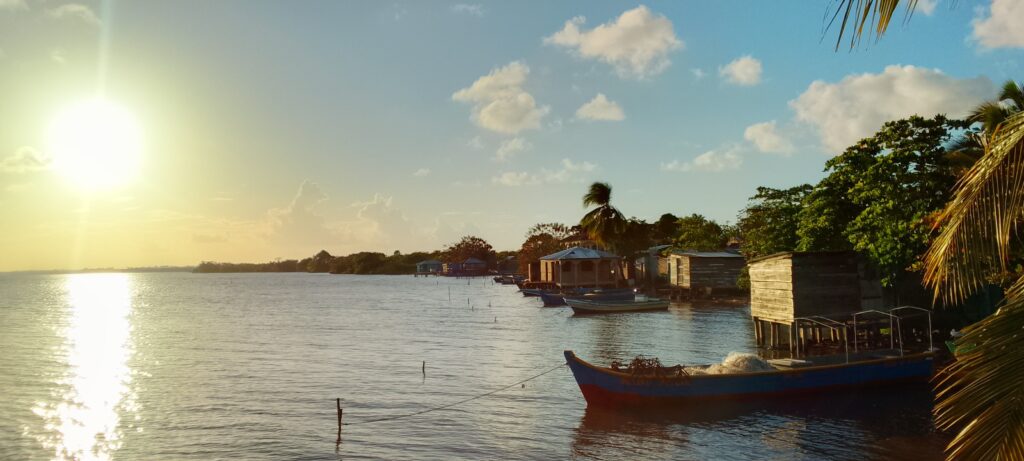
When memory becomes history
Part of the history of Nicaragua’s Caribbean Coast lives not only in official documents and archives.
It also survives in family names, oral histories and the memories passed from one generation to another.
Sometimes, all it takes is a conversation by the pier while waiting for warm bread to uncover an invisible thread that still connects two communities across the Caribbean Coast.
READ ALSO Brooklyn Rivera dies in state custody; family and indigenous leaders demand accountability